What Size Solar Generator Do You Really Need?
It might be difficult to choose the appropriate size of a solar generator. Too tiny, and you'll run out of power when you need it the most. Too huge, and you may overspend on capacity that you may never utilize. The appropriate size is determined by what you intend to power, how long you will require electricity, and where the system will be used. Campers, RV owners, and homeowners all have varying energy needs. Before you buy, you should grasp the power, battery capacity, and surge specifications. This tutorial demonstrates how to determine your demands and match them with the appropriate solar generator size for dependable performance.
How Do You Calculate the Right Solar Generator Size?
Step 1: List Your Devices and Their Running Wattage
Begin by identifying every gadget you intend to power with your solar generator. Include necessities such as lighting, phones, laptop computers, freezers, and medical supplies. To determine the operating wattage of any item, refer to the label or user manual. Running watts indicate how much power the gadget utilises when in typical operation. Do not depend on wild estimates. Accurate statistics allow you to avoid undersizing your system. If you can't locate an accurate amount, use a watt meter to determine actual use. Make a careful note of each device's wattage. This list serves as the foundation for estimating overall power requirements and determining the appropriate generator size.
Step 2: Calculate Daily Energy Use in Watt-Hours
Once you've determined the operating wattage of each gadget, figure out how many hours you use it each day. To calculate watt-hours for each gadget, multiply its wattage by the number of hours. For example, a 100-watt appliance that runs for five hours consumes 500 watt-hours. Repeat the process for each item on your list. Then sum the totals. The final figure reflects your daily energy use. This value specifies how much battery capacity you require. Choose a solar generator with a similar or larger watt-hour capacity to comfortably satisfy your daily demands and ensure regular power availability.
Step 3: Account for Surge Wattage and Peak Load
Many gadgets require extra electricity to start. The surge wattage might be twice or three times greater than the operating wattage. Devices with motors or compressors, such as refrigerators and pumps, frequently generate these surges. Check each appliance's surge rating, if available. Then determine the maximum total starting load you may encounter at one time. Your solar generator's inverter must withstand this peak load without failing. If the inverter rating is too low, the system might overload. Factoring in surge wattage provides consistent operation and eliminates unexpected power outages during vital periods.
What Size Solar Generator Do You Need for Different Scenarios?
Small Solar Generators for Camping and Outdoor Use
Small solar generators typically have 300 to 1,000 watt-hours of battery capacity. They are ideal for camping, short travels, and moderate outdoor use. These machines can easily charge phones, cameras, drones, and computers. They also run LED lights and mini fans. Their small size and low weight make them easy to transport. However, they cannot power high-demand equipment such as microwaves or electric heaters. If your power requirements are modest and portable, a tiny generator delivers dependable, silent electricity with minimal bulk or expense. Adjust the capacity to meet your short-term energy requirements.
Mid-Size Generators for RV Living and Van Life
Mid-size solar generators generally produce 1,000 to 3,000 watt-hours. They are suitable for RV living, van life, and long road excursions. These systems may power televisions, portable refrigerators, computers, and tiny kitchen equipment. With careful supervision, they may be able to tolerate brief microwave usage. Many models in this category include more powerful inverters and additional AC outlets for further versatility. They strike a compromise between mobility and larger capacity. While not suited for intense heating or huge air conditioners, they are adequate for most daily needs. Mid-size units provide practical and consistent performance for travellers who live off-grid on a limited basis.
Large Solar Generators for Home Backup Power
Large solar generators often yield 3,000 watt-hours or more and use strong inverters. Homeowners use them as a backup during power outages. These systems can power fridges, routers, lights, and even certain well pumps. With proper load control, they may be able to handle air conditioners and other high-demand equipment. Many big systems support battery extension for more storage. They weigh more and cost more, but they provide better performance and runtime. If you need whole-room or partial-home backup, a large-capacity generator provides the steadiness and resilience necessary in an emergency.
Key Factors That Affect the Size You Should Choose
Battery Type (LiFePO4 vs. Lithium-Ion) and Usable Capacity
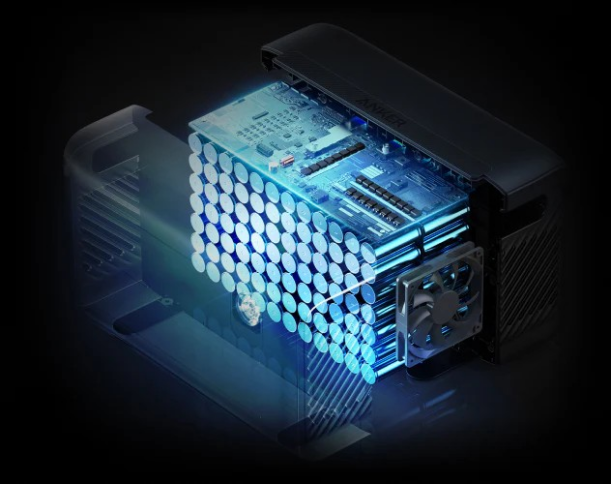
Battery chemistry influences performance, longevity, and useful capacity. Lithium-ion batteries are lighter and usually less costly. However, LiFePO4 batteries often have a higher charge cycle and better thermal stability. They also allow for deeper discharges without harming the battery. Usable capacity may differ from quoted capacity owing to efficiency losses and safety restrictions. Always verify the rated cycle life and warranty. A longer-lasting battery may justify a greater initial cost. Choosing the proper chemistry guarantees that your solar generator produces constant output over time and delivers electricity when you need it the most.
Inverter Rating, Output Ports, and Expandable Batteries
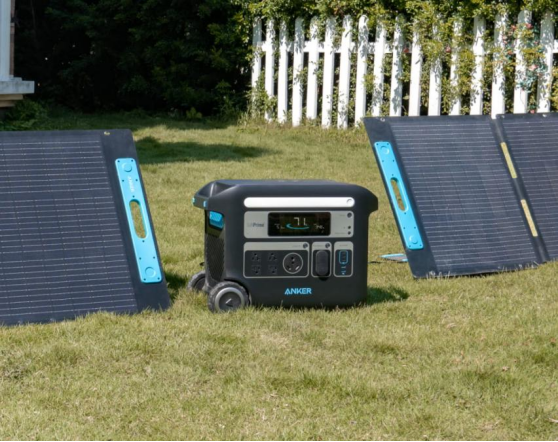
The inverter rating determines how much power your portable solar power generator can deliver at once. Choose an inverter that can handle your greatest combined load. This buffer increases dependability and lessens the pressure on the portable solar power generator. Consider the number and kind of output ports. Multiple AC outlets, USB ports, and DC outputs offer versatility for various devices. Some versions have extendable battery modules, which allow you to add capacity later. Expansion possibilities safeguard your investment if your energy requirements increase. By analysing inverter strength and connection, you can guarantee that your portable solar power generator meets both present and future needs.
Solar Panel Input, Charging Speed, and Sunlight Conditions
The solar panel input restricts how rapidly the battery may be recharged. A generator with a larger solar input capacity may absorb more panel watts, reducing charging time. Calculate the amount of sunshine you regularly receive in your region. Cloud cover, season, and panel angle all influence real output. Faster charging increases convenience, particularly during off-grid travel or disruptions. Some systems offer dual charging from solar and power outlets to speed up recuperation. Matching panel capacity to battery size results in balanced performance. Adequate solar input eliminates energy shortages and maintains your system ready for continuous operation.
Conclusion
Choosing the appropriate solar generator size necessitates careful planning and reasonable expectations. Begin by determining your running power, daily energy consumption, and surge needs. Then compare those figures to the capacity that is adequate for your lifestyle, whether you camp infrequently or want home backup power. Before making a selection, consider the kind of battery, inverter strength, and charging speed. A correctly sized system provides consistent, efficient performance without incurring needless expenses. When you pick based on actual facts rather than guessing, you get consistent, clean energy that meets your needs wherever you use it.
Latest: Why My Essay Is Detected as AI: Causes and Solutions